Different Types of Accent Chairs Suitable for Bedrooms
Bedrooms are strange spaces when it comes to furniture. They’re personal, quiet, and used differently by everyone. Some people read there. Some scroll endlessly. Some just need a place to sit while putting on shoes or folding clothes. And yet, accent chairs are often added as an afterthought, if at all.
When done right, an accent chair in a bedroom doesn’t feel like extra furniture. It feels like a pause. A place that belongs only to that room.
But not every accent chair works in a bedroom. Size, comfort, and even how “busy” the chair looks all matter more here than they would in a living room.
Let’s break this down in a practical way.
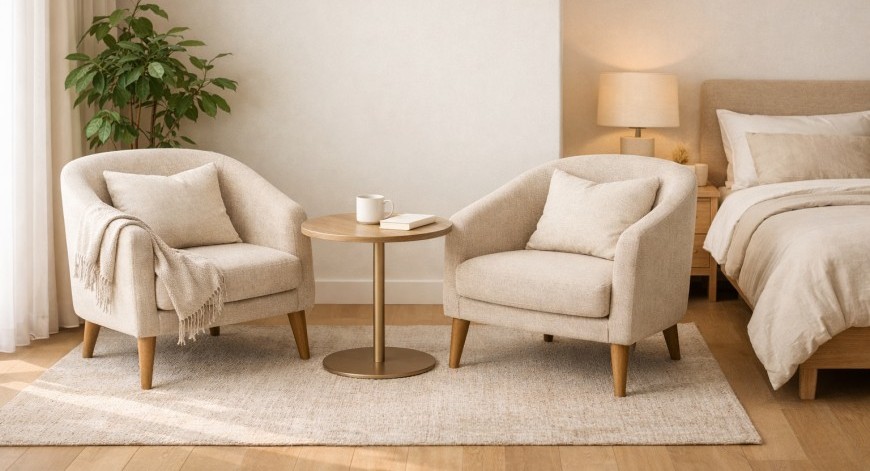
Why Accent Chairs Work So Well in Bedrooms
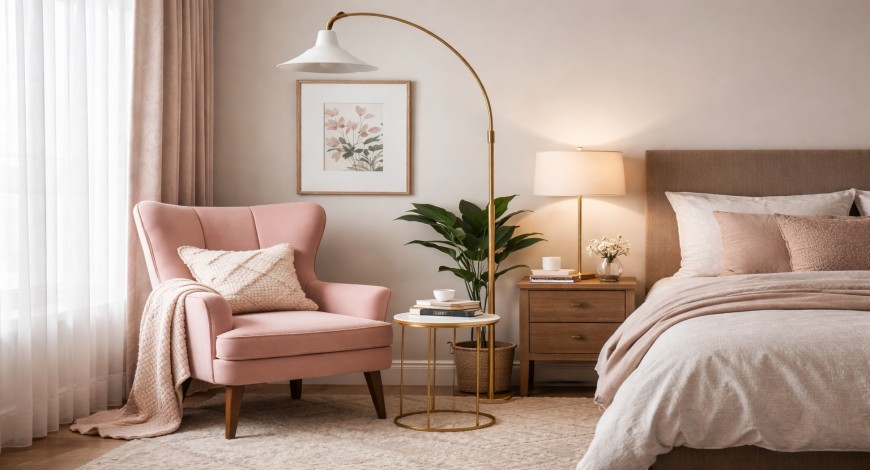
Bedrooms are not social spaces in the way living rooms are. They’re slower. Softer. That’s why accent chairs in bedrooms tend to serve one person, not many. A good bedroom accent chair becomes a reading corner, a morning coffee spot, or simply a place to sit without getting back into bed. For many homes in Bangalore, especially apartments, bedrooms also double up as quiet workspaces. In those cases, a chair that supports relaxed sitting makes a big difference. The mistake people make is choosing something dramatic. Bold shapes and heavy chairs often overpower the room. Bedrooms usually need restraint.Popular Types of Bedroom Accent Chairs
1. Soft Upholstered Accent Chairs
These are the most common and for good reason. Soft, upholstered accent chairs feel natural in a bedroom. Fabric absorbs sound, softens the space, and blends easily with bedding and curtains. Bedroom accent chairs in muted tones like beige, grey, olive, or even soft blues work best. They don’t compete with the bed. They quietly exist alongside it. What matters here is seat depth. Many accent chairs look good but are uncomfortable for more than ten minutes. For a bedroom, that doesn’t work. You want something you can sit in without checking the time. At Suhaus, this is where internal build matters. The cushioning layers and back angle decide whether the chair becomes a favourite spot or decorative furniture that no one uses.2. Compact Armchairs for Smaller Bedrooms
Not every bedroom has the luxury of space. In smaller bedrooms, the chair has to earn its place. Compact accent chairs with slimmer arms and raised legs work well here. They don’t visually block the room and keep the floor visible, which makes the space feel larger. People often ask whether accent chairs can be used in small bedrooms. The answer is yes, but only if proportions are right. Oversized chairs make the room feel crowded very quickly. This is also where custom accent chairs make sense. Adjusting the width slightly or reducing seat depth can completely change how the chair feels in the room.3. Armless Accent Chairs and Slipper Chairs
For bedrooms that already feel tight, armless accent chairs are surprisingly effective. They slide into corners easily and don’t interrupt movement. These chairs work well near windows or beside wardrobes. They are not meant for lounging for hours, but they are perfect for everyday use. Putting on shoes, reading a few pages, or just sitting quietly. The key is stability. Armless chairs still need strong internal frames. Without that, they tend to feel flimsy over time. This is one of those details you can’t judge from online images alone.4. Lounge-Style Accent Chairs for Master Bedrooms
Larger bedrooms allow for more relaxed seating. Lounge-style accent chairs with deeper seats work well in master bedrooms where space permits. These chairs often become personal zones. A place where one person reads, unwinds, or just sits away from the bed. Fabric accent chairs usually feel better here than leather because bedrooms are meant to feel warm, not formal. Even then, size control matters. A lounge chair should feel inviting, not like a second sofa squeezed into the room.5. Wooden Frame Accent Chairs in Bedrooms
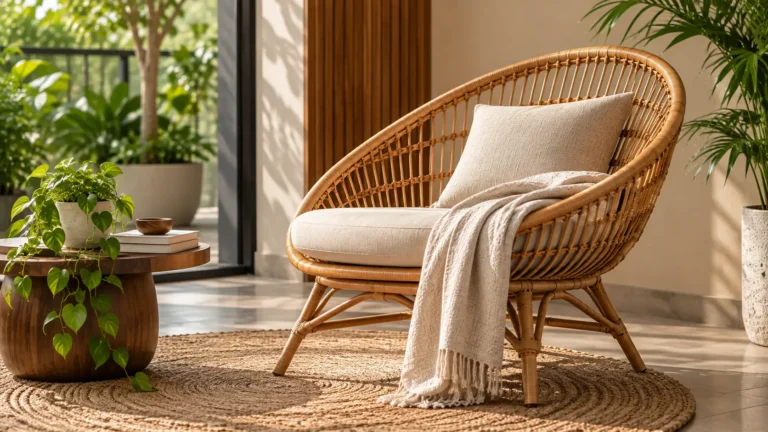
Wooden frame accent chairs bring structure to softer bedrooms. They work well when the room already has wooden elements like side tables or wardrobes. The balance is important. Too much visible wood can make the chair feel stiff. Upholstered seating with a visible wooden frame usually works best. Strong joinery matters here. Many wooden accent chairs look fine initially but develop movement or creaking later. This comes down to internal construction, not design.