How to Compare Furniture Prices Without Comparing Only the Price
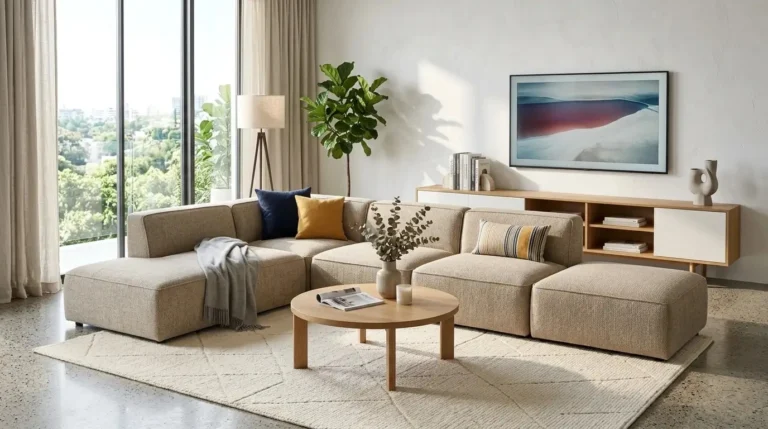
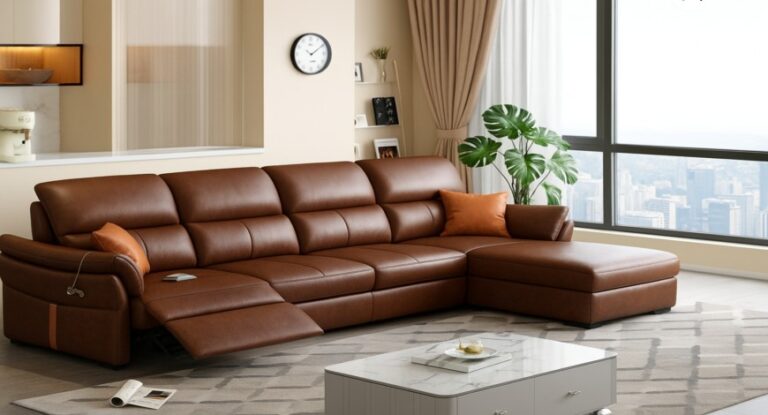
A customer walks into two furniture stores, sees two sofas that look fairly similar, and gets two very different prices. One costs ₹65,000. The other costs ₹1.10 lakh. The obvious question is: “Why should I pay ₹45,000 more?” It is a perfectly reasonable question. The problem is that we often stop there.
Furniture is one of those purchases where two products can look surprisingly similar from the outside while being quite different in what goes into them. The opposite can also happen: two pieces may have different prices simply because of differences that may not matter much to you.
So the real question isn’t “Which one is cheaper?”
It is:
“Am I comparing two similar products, and if not, what am I actually paying more for?”
That is a much better way to compare furniture.
Start with the product, not the price
Before comparing two quotations, put the prices aside for a moment. Ask whether the two products are actually comparable.
For a sofa, for example, you could compare:
| What to compare | Sofa A | Sofa B |
| Overall dimensions | ||
| Frame material | ||
| Frame construction | ||
| Seat support | ||
| Cushioning | ||
| Foam specification | ||
| Fabric | ||
| Customisation | ||
| Finish | ||
| Delivery | ||
| Warranty | ||
| After sales service |
You don’t necessarily need every box to be identical.
But if one sofa is larger, uses different materials, has different cushioning and includes delivery and installation while the other doesn’t, then comparing ₹65,000 with ₹1.10 lakh isn’t really a price comparison. It is a product comparison.
And those are two different things.
1. Are the materials actually the same?
This is probably the first thing we would check. A quotation might say “wooden sofa” or “solid wood furniture”, but that doesn’t tell you enough to compare two products.
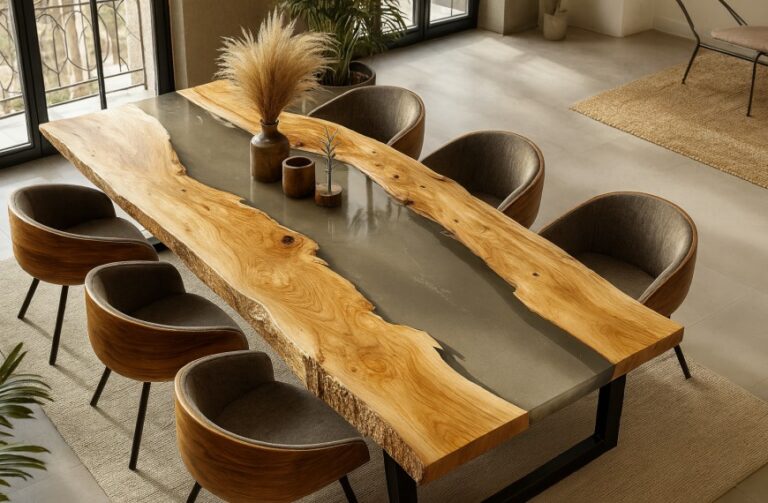
Ask: “Which wood are you using?” Then ask what other materials are being used. For a sofa, that could include the frame, cushioning, suspension, fabric and hardware. For a dining table, it could include the wood species, thickness, construction and finish.
For a cot, you may want to understand the wood, frame construction, storage components and hardware. The point isn’t to assume that one material is always better. It is to make sure you know what you are paying for.
2. Are the dimensions the same?
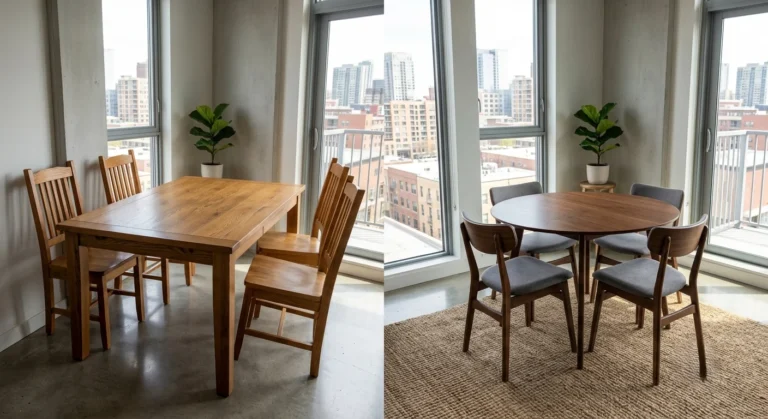
This is surprisingly easy to overlook. A larger sofa naturally requires more material than a smaller sofa. A dining table for eight people is not directly comparable with one designed for six. A large king size cot with storage cannot be compared with a simpler bed frame just by looking at the photographs. Even a difference of a few inches can affect the amount of material used and the manufacturing involved. So before asking why one product costs more, check:
Are we actually comparing the same size?
3. What is underneath the finish?
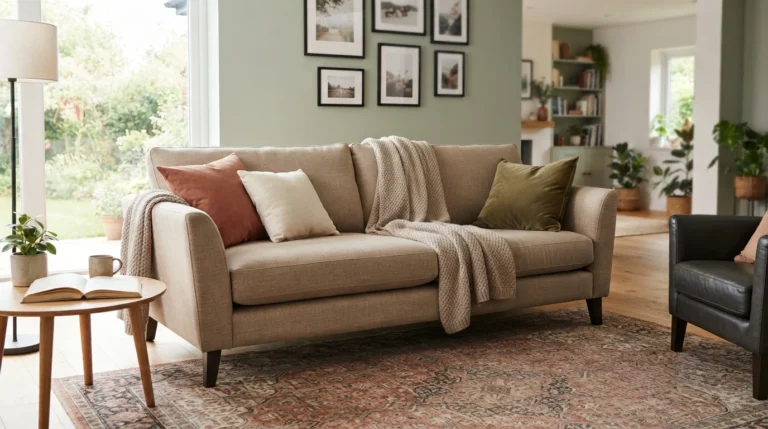
This is where furniture gets interesting. A polished wooden table can look beautiful without telling you very much about how it was constructed. A sofa can look almost identical to another sofa once both have been upholstered. This is why the visible appearance of furniture isn’t always a good indicator of its construction.
For example, two sofas might have:
- Similar fabric
- Similar colour
- Similar shape
- Similar dimensions
Yet differ in their internal frame, support system, cushioning or construction. That doesn’t automatically mean the more expensive one is better. It simply means the photograph isn’t enough information to make the comparison.
4. Is the design itself more complicated?
Not all furniture costs the same amount to make. A simple rectangular dining table and a heavily curved table may use similar materials but require very different amounts of labour, machinery, finishing and skill. The same applies to furniture with:
- Curved components
- Detailed joinery
- Intricate carving
- Unusual dimensions
- Special finishes
- Integrated storage
- Moving mechanisms
- Complex upholstery
This is one reason custom furniture can have a different price from something made repeatedly in standard dimensions. The additional cost isn’t necessarily a margin added simply because the product is “custom”. There may be genuinely more work involved.
5. Are you paying for customisation?
This is an important distinction. Suppose a standard sofa costs ₹80,000.
You then ask for:
- Different dimensions
- Different fabric
- Different cushioning
- A different seat depth
- A different wood finish
- Additional storage
The final product is no longer exactly the same product. Some changes may be relatively simple. Others can require changes to the manufacturing process itself. So when comparing a ready made product with a custom product, don’t ask only: “Why is the custom one more expensive?”
Ask:
“What has actually changed, and what additional work does that involve?” Sometimes the difference is worth paying for. Sometimes it isn’t. That’s your decision to make.
6. What is included in the quotation?
This is one of the easiest ways to get a misleading comparison.
Imagine:
Seller A: ₹90,000
Seller B: ₹1,00,000
At first glance, Seller A looks cheaper. But then you discover that Seller A’s quotation does not include delivery, installation or the fabric you actually wanted. Seller B includes all three. Now the difference may be much smaller than it first appeared.
Whenever possible, compare the final cost of getting the furniture you actually want, not simply the first number you hear.
7. Are you comparing mass produced and custom made furniture?
This is where buyers sometimes have unrealistic expectations. Mass production has an economic advantage. When a manufacturer produces the same product repeatedly, the design, machinery, labour process and material requirements can be standardised. Custom furniture doesn’t have that same advantage.
Measurements may be different. Materials may need to be sourced separately. Production may require individual planning. A one off piece can take disproportionate effort compared with producing the same design repeatedly.
That doesn’t mean custom furniture is automatically better. It means you should understand what you are paying for. If you don’t need customisation, a ready made product may make more sense. If your home has unusual dimensions or you have specific requirements for comfort, material or design, paying for customisation may be worthwhile.
8. Does the cheaper product actually meet your requirements?
This is the question that gets missed most often.
Imagine you find a sofa that is ₹20,000 cheaper.
But it is:
- Too deep for your living room
- Slightly too large
- Not available in the fabric you want
- Less comfortable for the way you sit
- Not the right height
- Difficult to move into your apartment
Technically, you saved ₹20,000. But did you get a better deal? Furniture isn’t something you buy just to own. You buy it to use. A product that doesn’t work properly in your home isn’t necessarily good value simply because it was cheaper.
9. What happens after the sale?
Two products may be similar in price but very different in what happens afterwards.
Ask: “If something goes wrong, who do I contact?” And: “Can this product be repaired or serviced?” This matters particularly for furniture that contains mechanisms, moving parts or components that may eventually need replacement. It also matters for something as simple as upholstery. Fabric can wear. Cushions can change with use. Hardware can need attention.
A furniture purchase doesn’t necessarily end on delivery day.

10. Finally, ask: “Why is there a price difference?”
This is perhaps the best question of all. Instead of assuming: Expensive = better or Cheap = better value ask the seller to explain the difference. A genuine price difference may come from:
Materials → Construction → Size → Design → Labour → Customisation → Finish → Service → Business model
Sometimes the difference may be justified. Sometimes it may not. And sometimes the cheaper product may actually be the better choice for you. That’s why there isn’t a universal rule that says you should always buy the more expensive furniture.
A simple way to compare two furniture quotations
When you have two quotations in front of you, try this exercise.
Step 1: Compare the specifications
Are the materials, dimensions and construction comparable?
Step 2: Compare what is included
Does the quoted price include delivery, installation, selected materials and other requirements?
Step 3: Identify the differences
Write down exactly why one costs more.
Step 4: Decide which differences matter to you
This is the part people often skip.
Maybe one sofa has a more expensive fabric that you don’t particularly care about. Maybe another has better dimensions for your room, which matters enormously. Maybe one manufacturer offers better customisation. Maybe you are furnishing a temporary rental and don’t need furniture designed for decades of use.
There is no single correct answer.
A better way to think about furniture value
I like to think of furniture value as something closer to this:
Value = What you receive + how well it suits your needs + how long it remains useful
Not:
Value = Lowest price
That distinction matters.
A ₹50,000 sofa that you dislike using after two years may have been a worse purchase than a ₹75,000 sofa that works perfectly for your family for much longer. But the reverse can also be true. If both products meet your requirements equally well, paying more simply because one has a higher price doesn’t make sense either. The goal isn’t to spend more. The goal is to understand what you are buying.
What we usually recommend
When customers ask us whether a particular furniture price is “good”, we don’t think there is enough information in the price alone. We first look at the design, dimensions and specifications, particularly the materials being used and how the product is constructed. Only after that does the price become meaningful. This is also why we encourage customers to ask questions about what goes into the furniture rather than comparing only the finished appearance. Once you understand the product, you can make a much more informed decision about whether the price makes sense for you.
The takeaway
The cheapest furniture isn’t automatically the best deal. The most expensive furniture isn’t automatically the best either. The better question is:
“What am I getting for the price, and does it make sense for the way I will actually use it?”
Once you start comparing furniture this way, price becomes much more useful. You stop asking why one sofa costs ₹80,000 and another costs ₹1.20 lakh. Instead, you start asking:
Are they made from similar materials?
Are they constructed similarly?
Are they the same size?
Do they offer the same comfort and customisation?
Does the price include the same things?
And most importantly, which one actually suits my home and my needs?
That is a much better furniture buying decision than simply choosing the lower number.
Questions we get asked often
1.Is expensive furniture always better?
No.
Price can reflect better materials or construction, but it can also reflect design complexity, customisation, brand positioning, retail costs or other factors.
You need to understand what is behind the price difference.
2.Should I always choose the cheapest quotation?
Not necessarily. A cheaper quotation may represent better value, but only if the specifications and service are comparable.
3.Why can two similar looking sofas have very different prices?
Because much of a sofa’s construction is hidden. The frame, support system, cushioning, fabric, dimensions, manufacturing process and customisation can all differ even when two sofas look similar.
4.How do I compare furniture quotations?
Start by comparing the specifications rather than the final prices. Check the dimensions, materials, construction, finish, upholstery, customisation, delivery, installation, warranty and service.
Then compare the final prices.
5.Is custom furniture more expensive than ready made furniture?
It can be, but not necessarily by a fixed amount. Custom furniture involves individual requirements and manufacturing, so the price depends on what is being customised and how much additional work is involved.