Low Budget Interior Design Tricks That Look Expensive
Creating a beautiful home doesn’t always mean spending more money. In fact, some of the most elegant homes aren’t filled with expensive furniture or designer décor. They’re planned well.
That’s something many homeowners realise only after they’ve finished furnishing their house. They spent a lot, but the space still doesn’t feel complete.On the other hand, you’ll sometimes walk into a modest apartment that instantly feels warm, balanced, and thoughtfully designed. The difference usually isn’t the budget. It’s the decisions. If you’re aiming for an aesthetic interior design without stretching your finances, these practical ideas can make a noticeable difference.
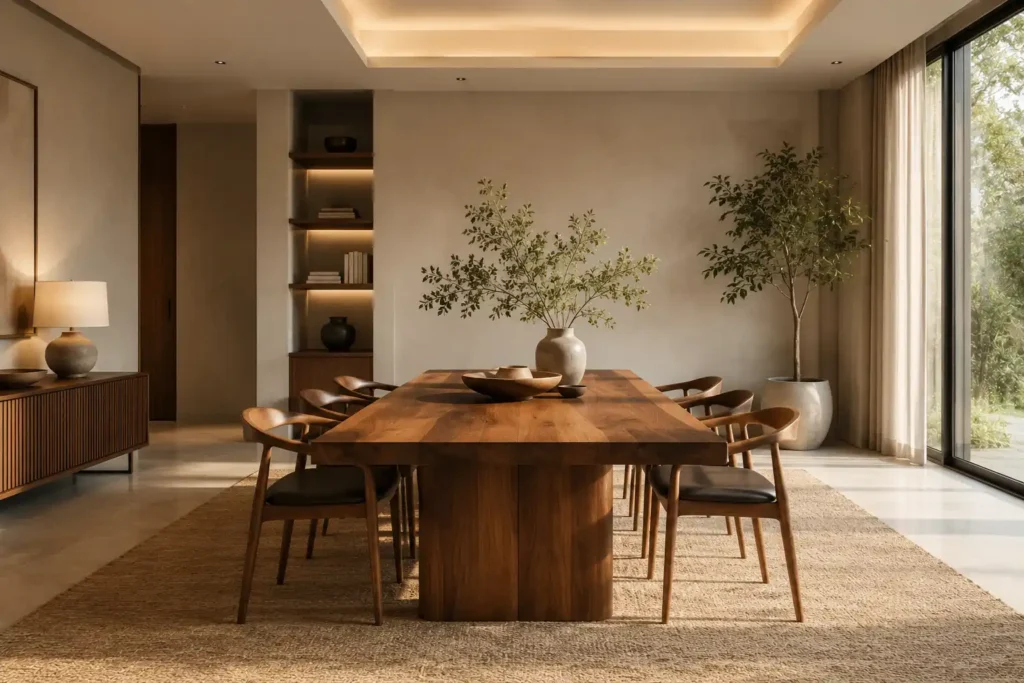
Expensive Doesn’t Always Mean Luxurious
When people say a home “looks expensive,” they usually aren’t talking about the price. They’re talking about how the space feels. Well-proportioned furniture, consistent colours, good lighting, and less clutter often create a premium impression, even with a modest budget. That’s why good interior design focuses on planning before purchasing.
1. Choose Fewer, Better Furniture Pieces
One common mistake is filling every corner. Extra chairs, multiple side tables, oversized TV units. Before long, the room feels crowded. Instead, buy fewer pieces that you’ll actually use. A well-made custom sofa and a thoughtfully chosen dining table usually make a stronger impression than five unnecessary decorative items. Quality tends to outlast quantity.
2. Keep a Consistent Colour Palette
Rooms often look expensive because the colours work together. That doesn’t mean everything should match. It simply means the colours should feel connected.
| Colour Approach | Effect on the Room |
| Neutral base with wood tones | Warm and timeless |
| White with natural wood | Bright and spacious |
| Grey with walnut finishes | Modern and elegant |
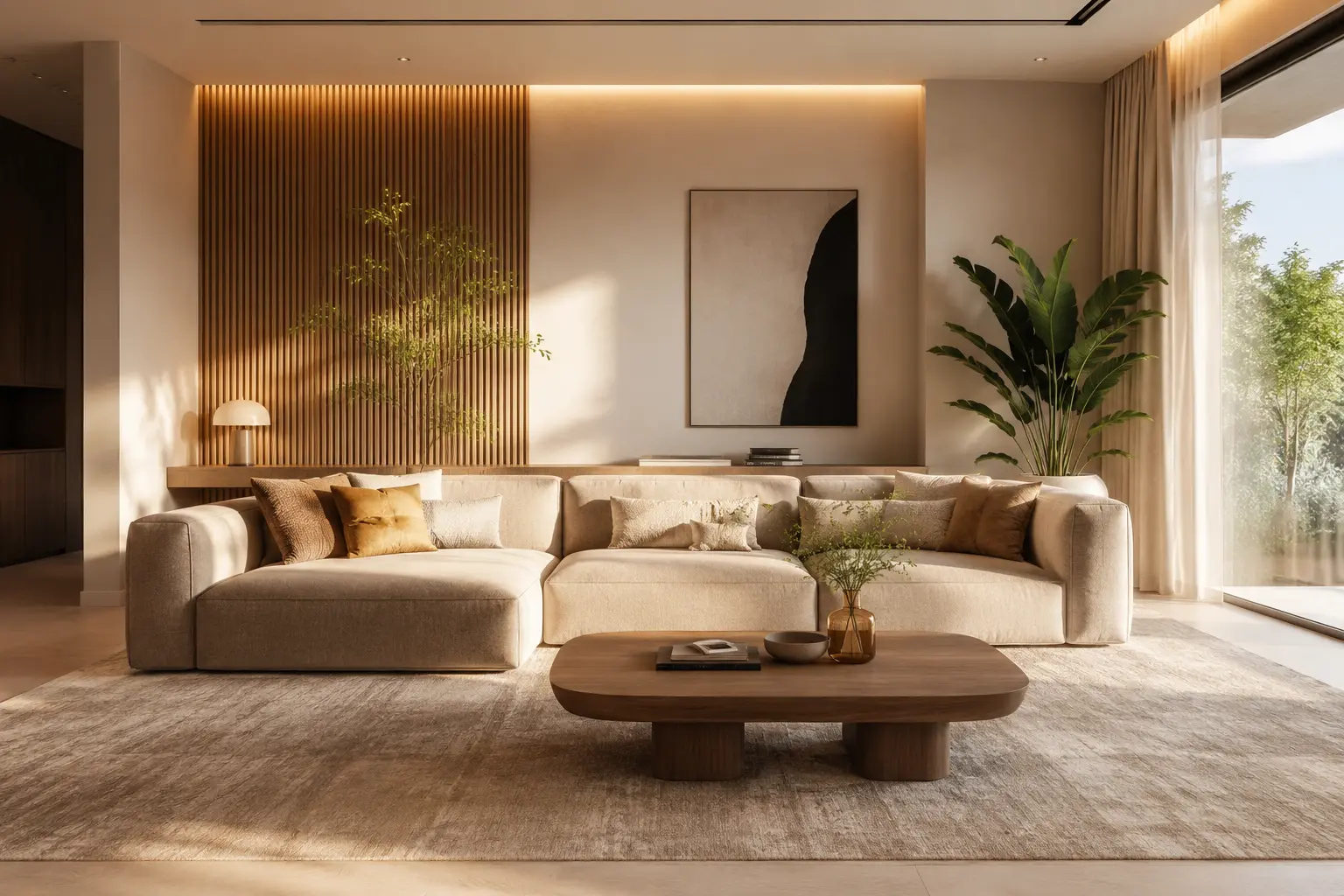
| Beige with soft textures | Calm and inviting |
A limited palette almost always feels more refined than too many competing colours.
3. Let Natural Light Do the Work
Lighting changes everything. Before buying decorative lights, look at how natural light enters the room. Avoid blocking windows with oversized furniture. Choose lighter curtains if privacy allows. A naturally bright room often feels larger and more welcoming without spending anything extra.
4. Invest in One Statement Piece
Every room benefits from one feature that draws attention.
It could be:
- A wooden dining table.
- A comfortable sofa.
- A large artwork.
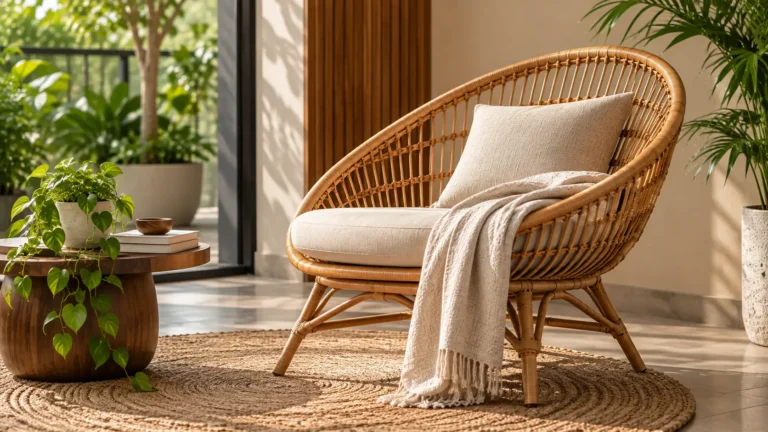
- An accent chair.
- A custom headboard.
The rest of the room can remain relatively simple. When everything tries to stand out, nothing actually does.
5. Keep Furniture Proportional
Bigger isn’t always better.Many homeowners buy oversized furniture because it looks impressive in a showroom.
At home, it overwhelms the room. Before buying, leave enough space to move comfortably around each piece. A slightly smaller sofa that fits properly usually looks far more premium than a large one squeezed into the room.
Small Changes That Make a Big Difference
| Budget-Friendly Upgrade | Why It Works |
| Warm lighting | Creates a softer atmosphere |
| Matching hardware | Makes furniture feel cohesive |
| Indoor plants | Adds freshness and colour |
| Larger rug | Makes seating feel connected |
| Decluttering | Instantly improves the space |
Interestingly, decluttering costs nothing but often has the biggest impact.
6. Mix Materials Instead of Buying Everything the Same
A room becomes more interesting when materials contrast.
For example:
- Wood with fabric.
- Marble with metal.
- Glass with timber.
- Leather with natural wood.
Using different textures creates depth without increasing the budget. That’s one reason modern homes rarely rely on a single material throughout.
7. Don’t Ignore Empty Space
Many people feel every wall or corner needs something. It doesn’t. Space allows the eye to rest. Professional designers often leave parts of a room intentionally open because it makes the furniture stand out more. Sometimes adding less creates a stronger result than adding more.
8. Think Long Term, Not Just Low Cost
Buying the cheapest option often becomes expensive later. A dining table or sofa is something you’ll use almost every day. If it needs replacing after a few years, the savings disappear. Instead, invest in well-made furniture and keep decorative items simple. This approach usually gives better long-term value.
Create an aesthetic interior design without overspending. Discover low-budget interior design tricks that make your home look elegant, stylish, and expensive.
One Thing Buyers Often Overlook
People naturally compare:
- Price
- Colour
- Design
Very few ask what lies inside the furniture. Yet internal construction is what determines durability. A sofa or dining table may look premium in photographs while using low-quality materials underneath. At Suhaus, customers can inspect the furniture during manufacturing and see the internal frame, wood species, and construction before the final finish is applied.
This transparency helps buyers understand exactly what they’re investing in, rather than relying only on appearance.
Common Mistakes That Make Homes Look Cluttered
- Buying furniture before planning the layout.
- Mixing too many colours.
- Choosing oversized furniture.
- Filling every corner.
- Using different wood finishes in every room.
- Prioritising trends over functionality.
Avoiding these mistakes often improves a home more than buying new décor.
Why Aesthetics Matter in Interior Design
The importance of aesthetics in interior design goes beyond appearance.
A balanced space often feels easier to live in.
It encourages better organisation, improves comfort, and creates an environment where people naturally want to spend time. Complete interior solutions
Good aesthetics aren’t about showing off.
They’re about creating a home that feels calm, functional, and personal.
FAQ Section
1.What is aesthetic interior design?
Aesthetic interior design focuses on creating spaces that feel visually balanced, comfortable, and suited to the people living in them.
2.How can I create an aesthetic home interior design on a budget?
Start with a simple colour palette, invest in a few quality furniture pieces, maximise natural light, and avoid unnecessary clutter.
3.Why is aesthetics important in interior design?
Good aesthetics improve the overall feel of a space while making it more comfortable and enjoyable to use every day.
4.Can a low-budget home still look luxurious?
Yes. Careful planning, good proportions, quality furniture, and thoughtful lighting often have a bigger impact than an expensive budget.
Takeaway
A beautiful home isn’t created by spending the most money. It’s created by making thoughtful decisions. Focus on furniture that fits your space, keep colours consistent, use natural light wherever possible, and resist the temptation to overcrowd rooms. In the long run, a well-planned home will almost always feel more premium than one filled with expensive but mismatched pieces.