What Is a Rattan Chair? Types, Benefits & Uses
Rattan chairs have been around for a long time, but they have become particularly popular in contemporary homes because they can bring a lighter, more natural feel to a room without making the furniture look heavy.
You may see rattan chairs in living rooms, bedrooms, balconies, verandas, cafés and resorts. You may also see furniture described as rattan when the material is actually synthetic. That is where things get confusing.
If you are considering one for your home, you might naturally wonder: what is a rattan chair, how does it differ from similar-looking materials, and where does it work best? To see how these fit into broader seating plans, check out our guide on what types of living room furniture are commonly used.
What Is a Rattan Chair?
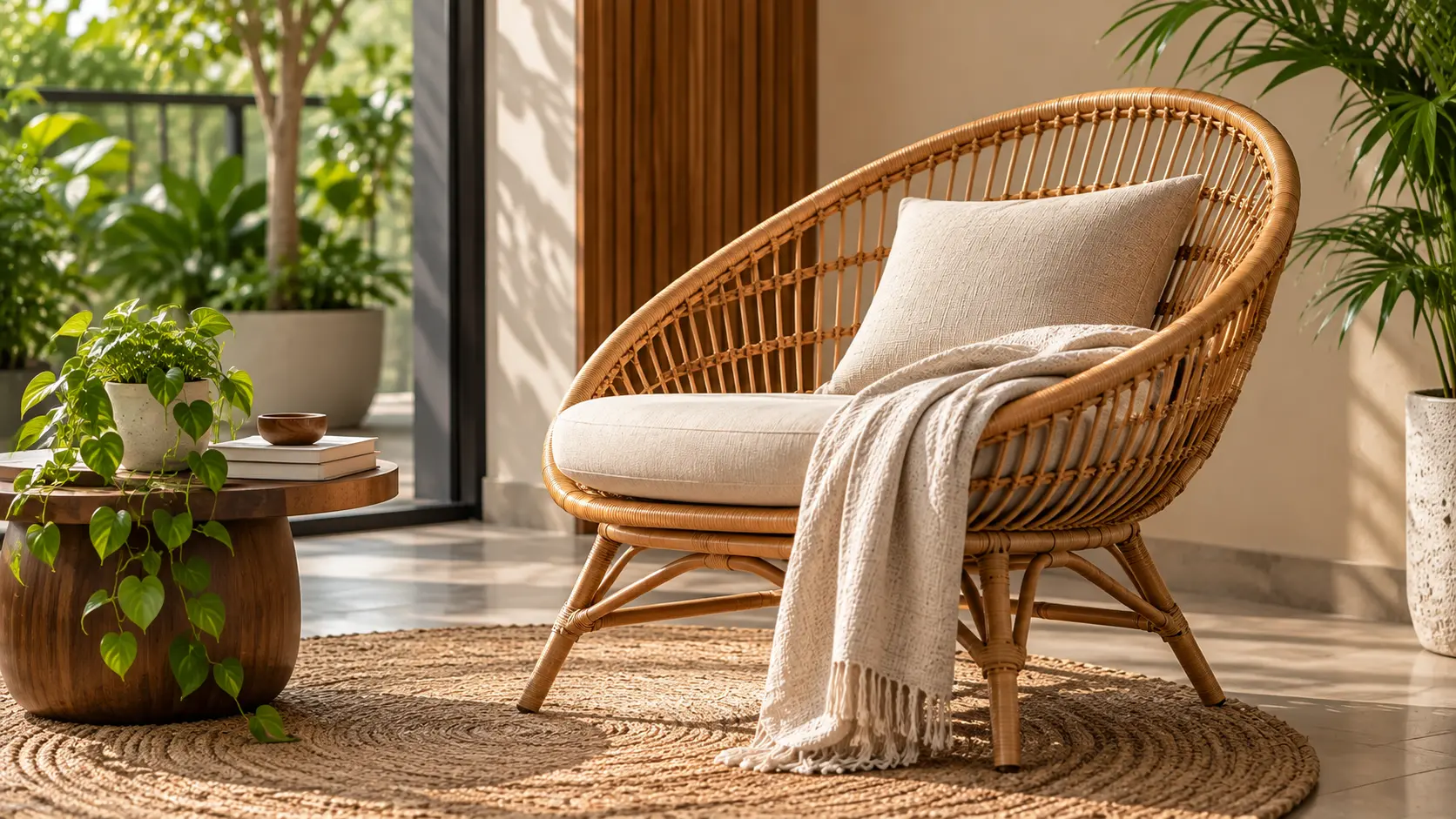
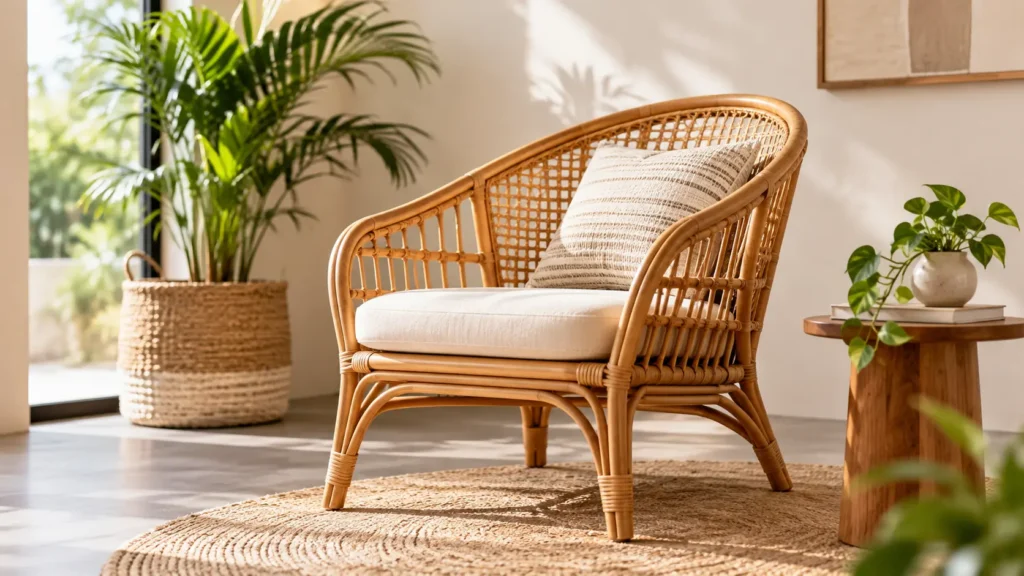
Understanding what is a rattan chair starts with the plant itself. A rattan chair is a seat made using rattan, a type of climbing palm that grows abundantly in tropical regions.
Rattan is a natural material that can be processed into long, flexible lengths and used to create furniture frames, woven surfaces and decorative elements. Its natural flexibility makes it particularly suitable for crafting varied chair designs because it can be bent and shaped into intricate curves without snapping.
The woven appearance associated with rattan furniture is one of its most recognisable characteristics. However, not every chair that looks like rattan is made from natural rattan. That distinction is important when buying.
Rattan, Cane and Wicker Are Not Exactly the Same Thing
These terms are often used interchangeably, but they refer to different things.
| Term | What it generally refers to | Common use |
| Rattan | A natural plant material | Furniture frames and woven furniture |
| Cane | The processed outer skin of rattan | Woven chair backs, cabinet doors, and panels |
| Wicker | A weaving technique | Furniture made using natural or synthetic materials |
| Synthetic rattan | Man-made material designed to resemble rattan | Outdoor furniture and weather-exposed spaces |
So when someone says wicker chair, they are describing a construction or weaving method rather than necessarily identifying the plant material. Similarly, a chair with a rattan appearance may actually be made from synthetic material. If the material matters to you, ask the seller specifically what it is made from.
What Are the Different Types of Rattan Chairs?
There is no single standard classification of rattan chairs. They can be grouped by construction, shape, use and material.
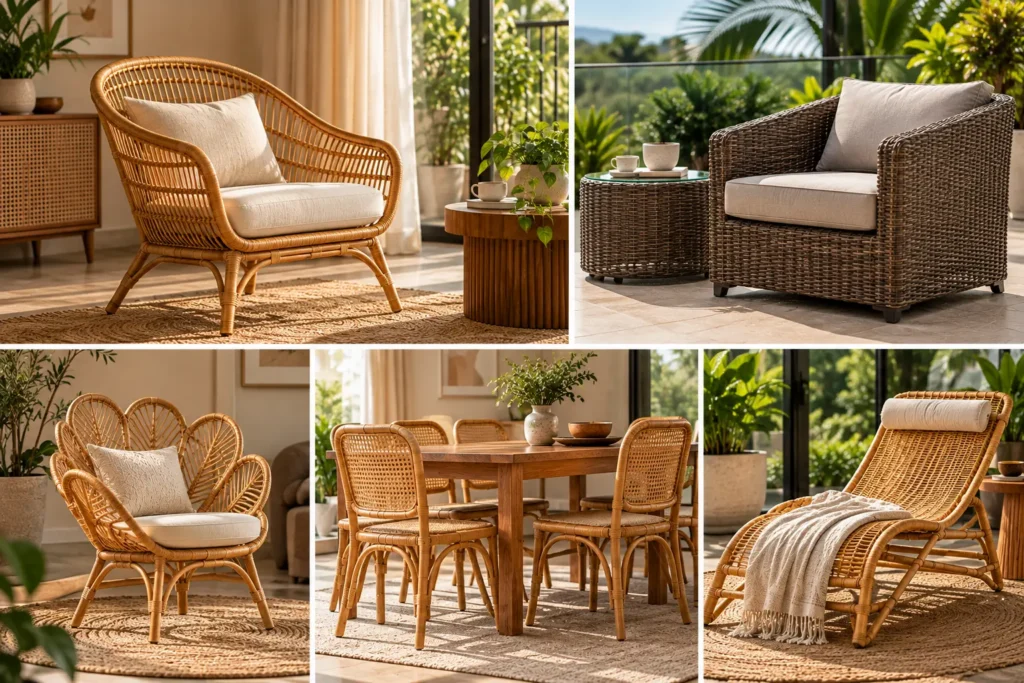
1. Natural Rattan Chairs
These use natural rattan in the construction of the furniture. They have a distinctive organic appearance and can work particularly well in interiors where natural materials are part of the design. You will often see natural rattan used in:
• Living room chairs
• Accent chairs
• Dining chairs
• Bedroom seating
• Reading chairs
Natural rattan is particularly appealing when you want furniture that feels visually lighter than a heavily upholstered chair.
2. Synthetic Rattan Chairs
Synthetic rattan is designed to reproduce the appearance of natural rattan while offering different performance characteristics. It is commonly used for outdoor furniture because manufacturers can select synthetic materials designed to handle exposure to weather better than untreated natural materials.
You may see synthetic rattan used for:
• Balcony furniture
• Terrace seating
• Garden furniture
• Resort furniture
• Outdoor cafés
But do not assume that every synthetic rattan product is equally suitable for outdoor use. The specific material, construction and finish still matter.
3. Rattan Accent Chairs
A rattan accent chair is usually intended to add character to a room rather than provide the main seating. It works beautifully in a quiet corner of a living room or bedroom. If you are shopping locally, browsing accent chairs bangalore studios or custom workshops is one of the easiest ways to introduce tactile texture without redesigning an entire room around it.
4. Rattan Dining Chairs
Rattan can also be used for dining chairs, particularly when you want a casual dining setting. A woven back adds texture against a solid wood table. (If you are looking for the right table to pair with them, take a look at our buyer’s guide for a 6 seater wooden dining table in bangalore).
5. Rattan Lounge Chairs
Rattan lounge chairs tend to have a deeper and more relaxed seating position. These can work particularly well in reading corners, bedrooms, balconies or larger living spaces. Because lounge chairs often have greater depth, measure the available space before buying. A chair can look relatively compact from the front while taking up considerably more floor space once you account for its depth.
What Are the Benefits of Rattan Chairs?
Rattan has several qualities that explain its popularity.
They Have a Natural Appearance
One of the biggest attractions is visual. Rattan introduces texture and a natural material into a room without requiring a large piece of furniture. This can work well with wood, fabric, plants, neutral walls and other natural finishes.
They Can Look Visually Light
A heavily upholstered chair can sometimes make a small room feel crowded. A woven rattan chair generally has more visual openness, particularly when the back and sides allow light to pass through. For compact layouts, explore our curated list of top compact accent chairs for living rooms.
They Offer Plenty of Design Possibilities
Rattan does not necessarily mean one particular style.
You can find chairs with:
• Traditional woven patterns
• Curved frames
• Contemporary silhouettes
• Upholstered cushions
• Wooden combinations
• Minimal designs
The material can therefore work in both traditional and contemporary interiors.
They Add Texture
This is an underrated advantage. When a room contains several smooth surfaces such as painted walls, glass, polished wood and plain upholstery, a woven chair can introduce another layer of texture. Sometimes that is enough to make a corner feel more interesting without adding more decoration.
Are Rattan Chairs Suitable for Outdoor Use?
This depends on which type of rattan chair you are buying. This is one of the biggest misconceptions around rattan furniture. Natural rattan and synthetic rattan should not automatically be treated as interchangeable outdoor materials. If the chair is going to sit on an exposed balcony or terrace, ask:
Is the material designed for outdoor exposure?
How does it handle sunlight?
What happens when it gets wet?
Is the frame suitable for outdoor conditions?
How should it be maintained?
A covered balcony and a completely exposed terrace are also very different environments. If the chair will be exposed to regular rain and strong sunlight, the specification matters much more than simply seeing the word “rattan” in the product description.
Rattan Chair vs Wooden Chair
Both can work beautifully, but they create a different visual and tactile experience.
| Factor | Rattan Chair | Wooden Chair |
| Appearance | Woven and lighter | More solid and substantial |
| Texture | Naturally pronounced | Depends on wood and finish |
| Visual weight | Generally lighter | Generally heavier |
| Design | Often relaxed or organic | Can range from traditional to contemporary |
| Outdoor suitability | Depends heavily on material | Depends on wood, finish and construction |
| Maintenance | Depends on natural or synthetic material | Depends on wood and finish |
| Best suited to | Relaxed, natural interiors | Broad range of interiors |
Neither is automatically better. The right choice depends on the room, usage and material specification. If you are comparing solid timber options for other seating in your home, read our guide on what are the best woods for making wooden furniture in india.
Where Can You Use a Rattan Chair?
Rattan chairs are quite versatile.
Living Room
Use one as an accent chair rather than trying to make every seating piece rattan.
For example: Sofa + rattan accent chair + side table can create more visual variety than using identical chairs throughout the room. If you are deciding on a single seating addition, explore which single sofa design is best for your living room.
Bedroom
A rattan chair can work in a reading corner, beside a window or near a dressing area. Because it generally has a lighter appearance, it can work well where you do not want another visually heavy piece of furniture. (To explore other bedroom options, read about different types of accent chairs suitable for bedrooms).
Balcony
Synthetic rattan furniture is commonly considered for balconies and terraces where outdoor exposure needs to be taken into account. The important point is to choose the material according to the actual exposure rather than choosing purely based on appearance.
Veranda
A rattan chair can suit a veranda particularly well because the woven texture works naturally with plants, outdoor views and more relaxed seating arrangements.
Hospitality Spaces
Rattan style furniture is also common in cafés, restaurants, resorts and other hospitality environments where the design needs to feel relaxed and welcoming. But commercial use also means the furniture needs to be evaluated for frequency of use, maintenance and serviceability rather than appearance alone.
Can You Get a Custom Rattan Chair?
Potentially, yes, depending on the manufacturer and the construction method. Custom furniture becomes useful when you want a particular:
• Width
• Height
• Seat depth
• Frame shape
• Cushion specification
• Upholstery
• Finish
• Overall style
However, there is an important distinction. Custom does not automatically mean better. The manufacturer needs to have the appropriate material, skills and construction process to produce the design properly. If you are considering a custom chair, ask how the frame will be constructed, what material will be used for the woven sections and how the finished chair is expected to be maintained.
What Should You Check Before Buying a Rattan Chair?
Do not judge the chair only by its photographs. Look at the actual construction.
Check the frame
Does it feel stable when you sit down?
Does the chair move or wobble?
Are the joints properly finished?
Check the weaving
Look closely at the woven sections.
Are they consistent?
Are there loose sections?
Does the material feel appropriately tensioned?
Check the comfort
Sit in the chair.
Check the seat height, depth and back angle.
A beautiful chair that you do not enjoy sitting in is still a poor furniture purchase.
Check the material
Ask whether it is:
Natural rattan
or
Synthetic material
Do not rely on the appearance alone.
Check the intended environment
If you plan to use it outdoors, ask specifically about outdoor suitability.
Do not assume that because a chair is marketed as “rattan” it is automatically suitable for rain and sunlight.
Common Mistakes People Make With Rattan Chairs
Mistake 1: Assuming every rattan chair is natural
It isn’t.
Some products use synthetic materials designed to look like natural rattan.
Mistake 2: Assuming every rattan chair is suitable outdoors
It isn’t.
Outdoor suitability depends on the material, construction and finish.
Mistake 3: Choosing based only on appearance
The chair still needs to be comfortable and structurally sound.
Mistake 4: Ignoring maintenance
Natural materials need appropriate care, particularly when exposed to moisture and changing environmental conditions.
Mistake 5: Buying a chair that is too large
A woven chair can look visually light while still taking up considerable floor space.
Measure the room before buying.
The Takeaway
Rattan is popular for a reason. It brings natural texture, visual lightness and a relaxed character to furniture, which is why rattan style chairs can work in everything from living rooms and bedrooms to balconies, verandas and hospitality spaces.
But rattan is not a magic material. Before buying, find out whether the chair uses natural or synthetic material, where it is intended to be used, how it is constructed and what kind of maintenance it requires. And if you are looking at rattan chairs simply because you like the woven appearance, remember that you do not necessarily need to make the entire room match. Sometimes one well chosen accent chair is enough to change the character of a space.
Questions People Often Ask
1. Is rattan a good material for chairs?
It can be. Rattan is flexible, relatively light in appearance and has a distinctive natural texture. Whether it is suitable depends on the type of chair, construction and where you intend to use it.
2. Is rattan better than wood?
Not necessarily. Rattan and wood offer different characteristics. Rattan tends to provide a lighter, woven appearance, while wood can provide a more solid visual and structural presence.
3. Can rattan chairs be used outdoors?
Some can, particularly furniture made using synthetic materials designed for outdoor conditions. Natural rattan requires more careful consideration when exposed to moisture and weather.
4. Are rattan chairs comfortable?
They can be, but comfort depends on the shape, seat dimensions, back support and whether cushions are used. The word “rattan” itself does not tell you whether a chair will be comfortable.
5. Are rattan chairs suitable for small rooms?
They can be. Their visually open construction can make them feel lighter than heavily upholstered furniture. However, you still need to check the actual width and depth of the chair.