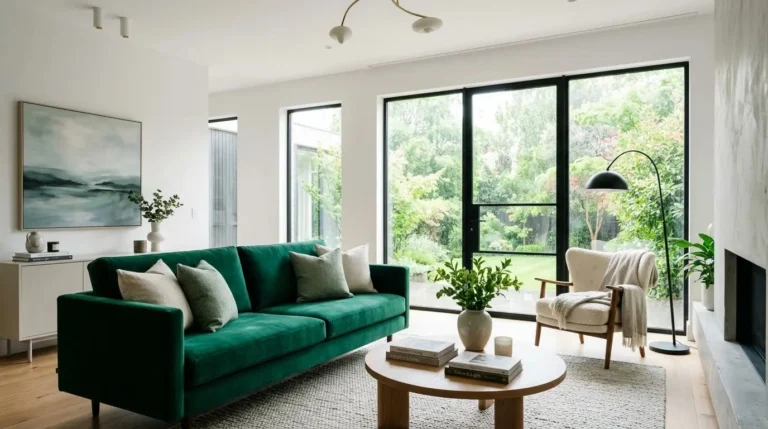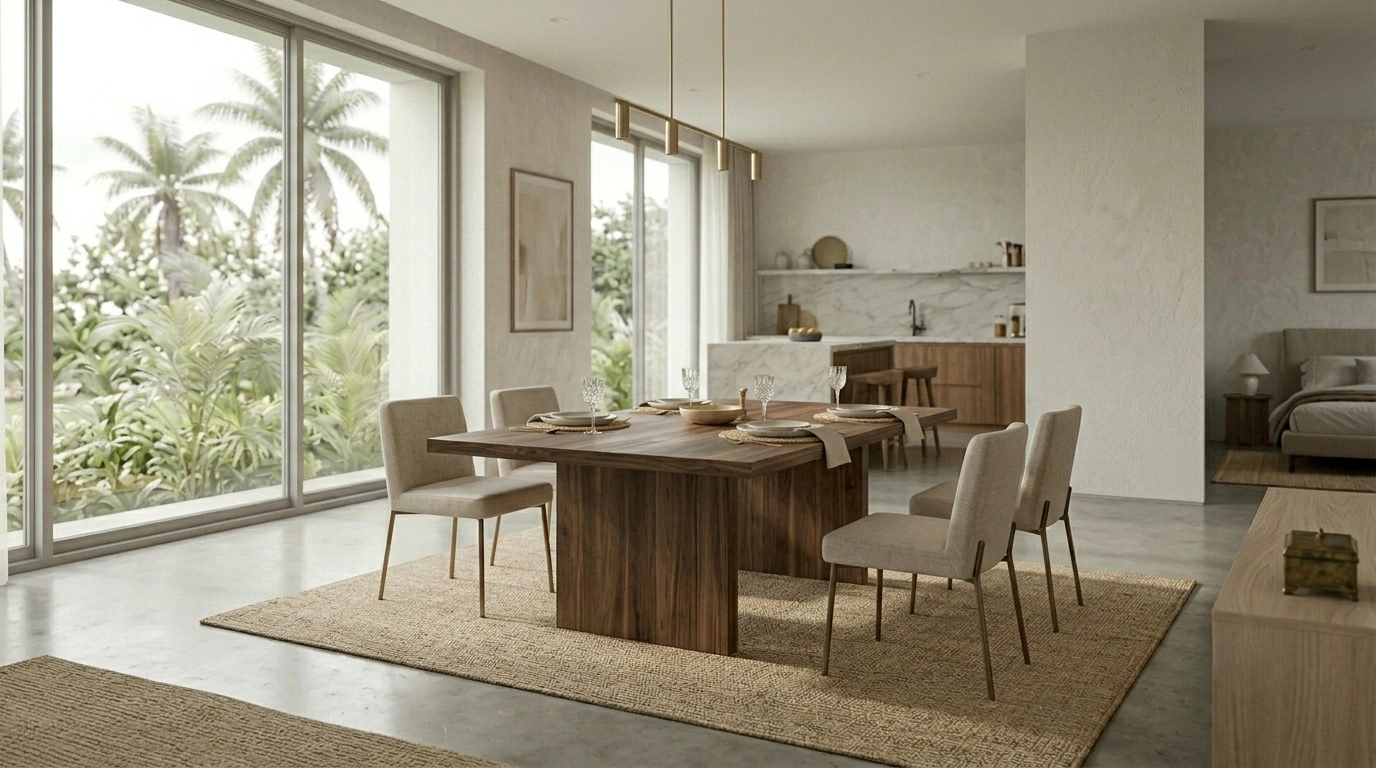
What Colours Are Used for Wooden Furniture? A Practical Guide for Real Homes
Walk into any furniture store and you’ll hear the same conversation over and over again.
“This sofa design looks nice, but can we get it in a darker shade?”
“Will this wood colour work with our flooring?”
“We like this dining table, but we’re not sure about the finish.”
Choosing a colour for wooden furniture sounds simple. In reality, it is one of the decisions homeowners struggle with the most.
The interesting part is that people rarely regret the furniture itself. They regret the colour. A wardrobe that looked elegant in the showroom suddenly feels too dark at home. A dining table that looked modern online ends up clashing with the flooring.
That happens because furniture colours do not exist in isolation. They interact with walls, flooring, lighting, room size, and even the amount of natural sunlight entering the space.
So, before choosing a finish, it helps to understand what colours are commonly used for wooden furniture and where each one works best.
Why Furniture Colour Matters More Than You Think
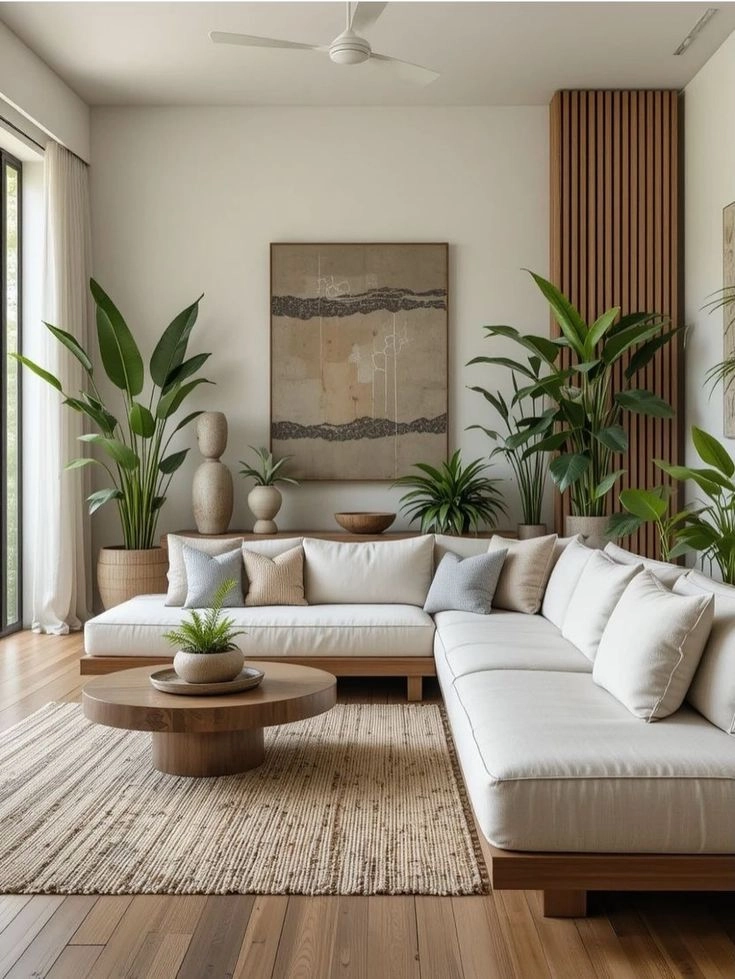
The colour of wooden furniture affects how a room feels.
Light shades can make a compact room appear larger. Dark finishes often make a space feel richer and more grounded. Warm wood tones create a cozy atmosphere, while cooler finishes give a cleaner, contemporary appearance.
Furniture is usually one of the largest visual elements in a room. Once it is placed, changing the colour is not easy. That is why spending a little extra time on this decision pays off.
Common Colours Used for Wooden Furniture
Most Customized wooden furniture falls into a few broad colour families.
| Colour Tone | Typical Appearance | Works Best In |
| Natural Wood | Shows original grain and texture | Minimal and contemporary homes |
| Teak Finish | Warm golden-brown tone | Most Indian homes |
| Walnut Finish | Rich dark brown | Premium interiors and larger rooms |
| Oak Finish | Light beige to honey tone | Smaller rooms and Scandinavian interiors |
| White or Off-White | Painted finish | Modern and compact homes |
| Grey Finish | Cool contemporary appearance | Urban apartments and modern interiors |
These colours remain popular because they are versatile and adapt well to changing décor styles.
Natural Wood Finishes Continue to Be Popular
Many homeowners today prefer furniture that showcases the actual wood grain.
Natural finishes allow the texture and character of the wood to remain visible. No two pieces look exactly alike, which gives furniture a more authentic feel.
Natural finishes work particularly well for:
- Dining tables
- Wooden beds
- Accent chairs
- Coffee tables
- Bookshelves
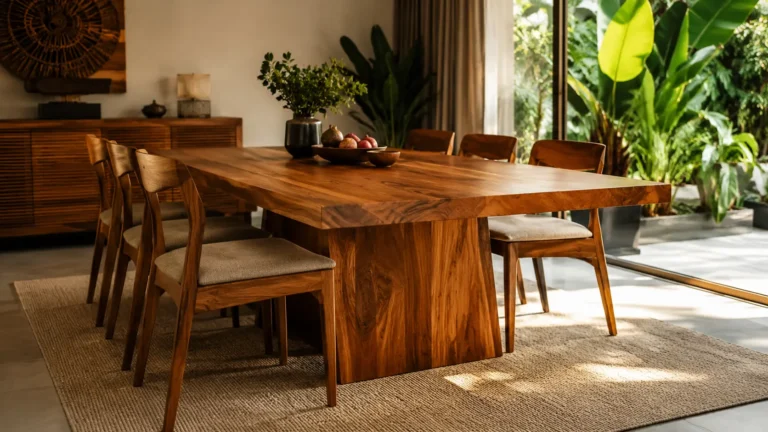
A simple wooden dining table design with a natural finish often ages beautifully because the grain becomes part of the overall aesthetic.
The only thing to remember is that natural wood tones can vary significantly depending on the species. Teak, walnut, oak, and ash all look different even when polished naturally.
Teak Finish: The Safe Choice for Most Homes
If there is one colour that works in almost every Indian home, it is the classic teak finish.
It sits somewhere in the middle. Not too dark. Not too light.
This makes it incredibly versatile.
Teak tones pair comfortably with:
- Beige walls
- White walls
- Neutral flooring
- Contemporary interiors
- Traditional interiors
Many homeowners choose teak simply because it is difficult to go wrong with it.
When in doubt, teak remains a safe and timeless choice.
Dark Wood Finishes Create a Premium Feel
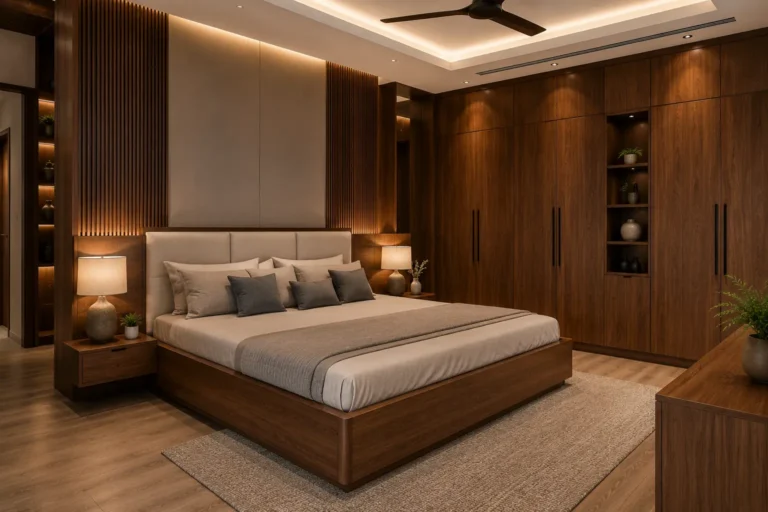
Walnut and other darker finishes are often associated with luxury interiors.
Dark furniture creates visual weight. It immediately draws attention and gives the room a more sophisticated appearance.
However, there is a catch.
Dark furniture absorbs light. In compact rooms with limited natural light, it can sometimes make the space feel smaller.
Dark finishes generally work best when:
- The room receives good natural light.
- The walls are lighter in colour.
- The room itself is reasonably spacious.
Used thoughtfully, dark wood can look stunning.
Used excessively, it can feel heavy.
Light Wood Finishes Make Rooms Feel Larger
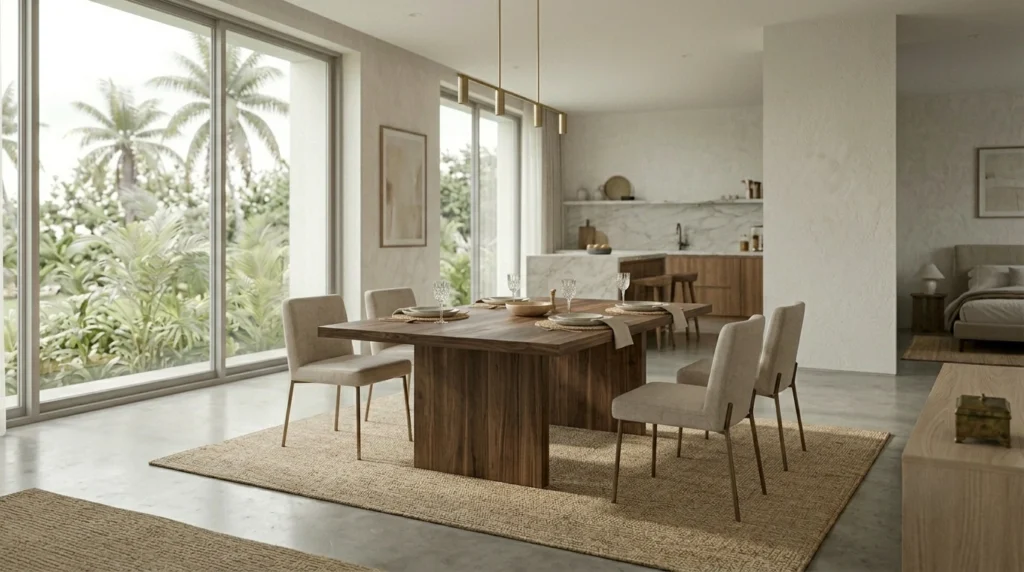
Light finishes such as oak, ash, and light teak have become increasingly popular over the last few years.
There is a simple reason for this.
Urban homes are becoming smaller.
Lighter shades reflect more light and visually open up the room. They work particularly well in apartments where maximizing the feeling of space is important.
Light finishes pair beautifully with:
- White walls
- Pastel shades
- Scandinavian interiors
- Minimalist spaces
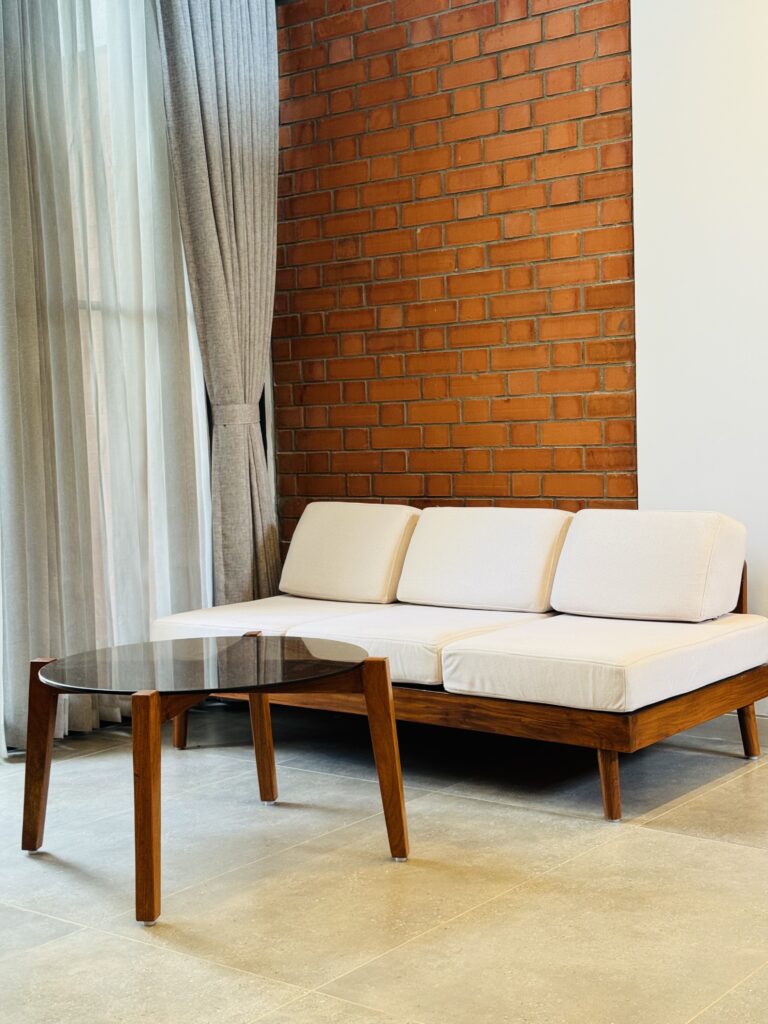
A light wooden sofa design, for instance, often makes a living room feel more airy and relaxed.
Painted and Colourful Wooden Furniture Is Growing in Popularity
Wood no longer needs to remain brown.
Today, colourful wooden furniture is finding its way into many homes.
Popular painted finishes include:
- Off-white
- Sage green
- Navy blue
- Charcoal grey
- Olive green
These finishes are usually used for:
- TV units
- Accent chairs
- Side tables
- Children’s furniture
- Wardrobes
Painted furniture works particularly well when homeowners want a statement piece without overwhelming the entire room.
The key is moderation.
One colourful piece often looks intentional. Too many can make the room feel chaotic.
Best Colour Combination for Wooden Furniture
One of the biggest mistakes people make is trying to match every wooden piece perfectly.
Identical shades across the entire house can make interiors feel flat.
Instead, aim for harmony.
Some combinations that work well include:
| Primary Furniture Colour | Complementary Colour |
| Light Oak | White, grey, charcoal |
| Teak | Beige, cream, olive green |
| Walnut | White, off-white, light grey |
| White Painted Wood | Natural wood accents |
| Dark Wood | Soft neutral walls and fabrics |
Contrast usually creates more visual interest than exact matching.
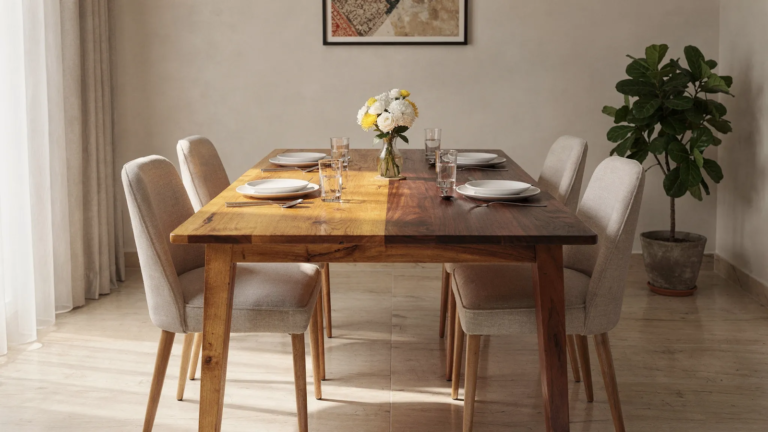
For example, a walnut dining table paired with light upholstered chairs often feels more balanced than matching everything in the same dark tone.
How to Colour Wooden Furniture
If you are customizing furniture, you generally have three options.
1. Wood Stains
Stains penetrate the wood and preserve the natural grain. They are ideal when you want the texture of the wood to remain visible.
2. Paint Finishes
Paint completely covers the surface and allows greater colour flexibility.
3. Clear Polish
Clear finishes protect the wood while retaining its original appearance.
The same wooden furniture piece can look dramatically different depending on the finish selected.
That is why viewing physical samples before finalizing a colour is always recommended.
At Suhaus, customers are encouraged to see finished samples in person and compare them under actual lighting conditions. A shade that looks perfect online may behave very differently inside a home.
Common Mistakes While Choosing Furniture Colours
People rarely make mistakes because they choose the “wrong” colour.
The problem is usually context.
Common mistakes include:
- Choosing colours under showroom lighting only.
- Ignoring flooring colour.
- Matching every furniture piece exactly.
- Selecting very dark finishes for compact rooms.
- Finalizing colours without seeing actual samples.
Furniture remains in a home for years. Taking a little extra time during selection is worth it.
Before Finalizing Your Furniture Colour, Ask Yourself
- Is the room naturally bright or slightly dark?
- Do you want the furniture to stand out or blend in?
- What colour is the flooring?
- Are the walls warm or cool toned?
- Will this furniture remain for the next decade?
These questions often make the decision much easier.
FAQ Section
What colours are used for wooden furniture?
Common colours include natural wood finishes, teak shades, walnut tones, oak finishes, white painted finishes, and contemporary grey tones.
What is the best colour for wooden furniture?
The best colour depends on room size, lighting, flooring, and personal preference. Teak remains one of the most versatile choices for Indian homes.
Can wooden furniture be colourful?
Yes. Painted finishes such as white, sage green, navy blue, and grey are increasingly popular in modern homes.
How to colour wooden furniture?
Wooden furniture can be coloured using stains, paints, or clear finishes depending on the desired look and level of grain visibility.
What is the best colour combination for wooden furniture?
Contrasting combinations usually work best. Light wood paired with neutral tones or dark wood paired with lighter surroundings often creates a balanced look.
Takeaway
Choosing a colour for wooden furniture in Bangalore is not just about aesthetics. It is about understanding the room, lighting, flooring, and how you want the space to feel every day.
Natural, teak, walnut, painted, or light oak finishes can all work beautifully when chosen in the right context. The key is to look beyond trends and select colours that will continue to feel right years from now.
And remember, always judge furniture colours in real lighting. What looks perfect in a showroom may tell a very different story once it enters your home.