Why Does Sofa Fabric Peel, Sag or Wear Out Quickly?
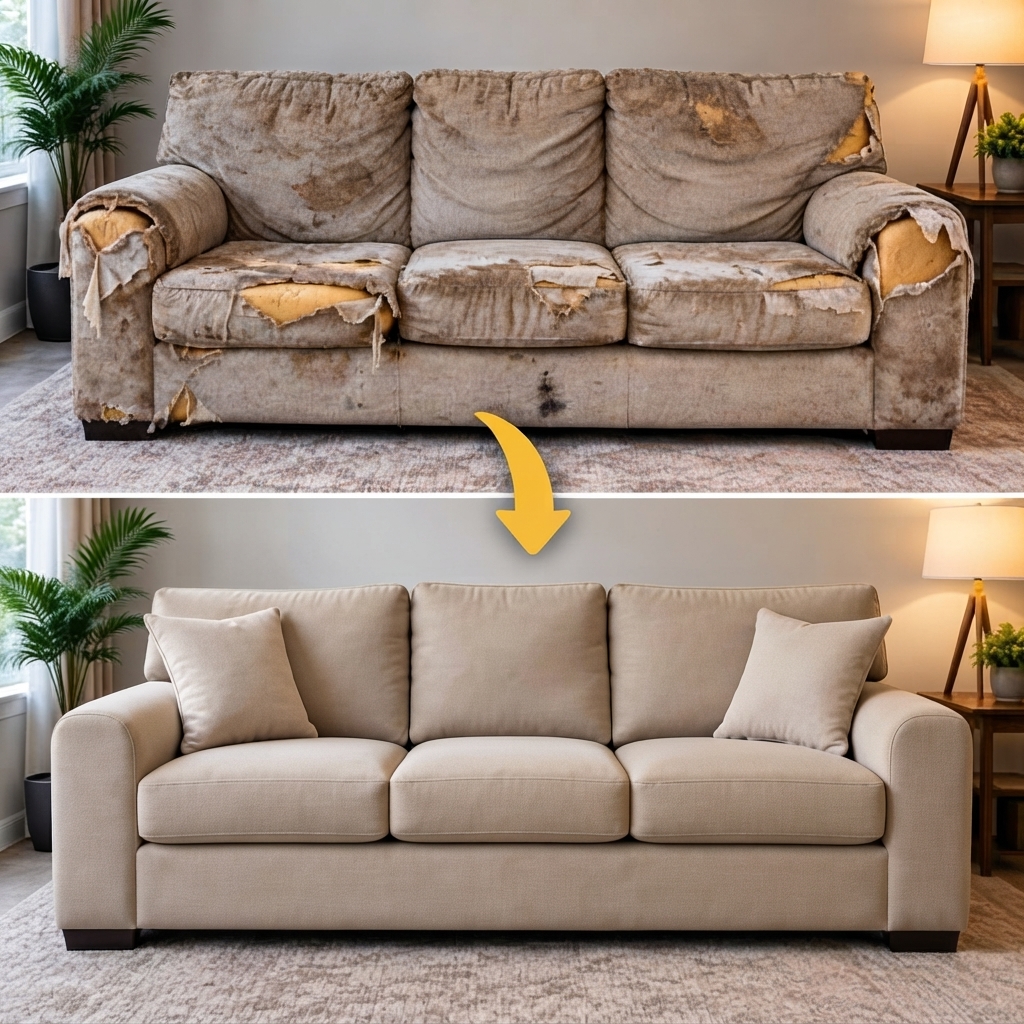
A sofa can look perfectly fine in a showroom and start showing signs of wear much sooner than you expected. The fabric may develop little balls on the surface, the upholstery may become loose, the colour may fade, or the material may begin peeling away in patches. Sometimes, the sofa still feels comfortable, but it no longer looks the way it did when you bought it.
The frustrating part is that these problems are often difficult to predict from appearance alone. Two sofas can look almost identical when new, yet their upholstery may behave very differently after a few years of daily use.
The reason is that not all upholstery materials age in the same way, and not every sign of wear has the same cause. Peeling, pilling, fading and sagging are different problems. Understanding what causes each one can help you choose the right sofa materials for your home, rather than simply picking the fabric or colour you like most.
First, understand what is actually going wrong
Before deciding whether a sofa has poor quality upholstery, identify the type of problem you are seeing.
| What you notice | What it usually means | What to investigate |
| Surface peeling or flaking | A coating or surface layer is breaking down | Upholstery material, coating quality, age and care |
| Small balls forming on fabric | Pilling caused by fibres rubbing together | Fabric construction, fibre characteristics and friction |
| Loose, stretched or wrinkled upholstery | The covering has shifted or lost some of its original shape | Fabric properties, fitting, cushion shape and usage |
| Colour fading | The colour has changed with exposure or cleaning | Light exposure, dye performance and cleaning products |
| Fabric thinning or developing holes | The material has worn through repeated friction | Fabric construction, usage intensity and contact points |
| Seams opening or stitching coming apart | The stitching or seam may be under stress or inadequately constructed | Seam construction, thread, fit and loading |
These symptoms can overlap. For example, upholstery that looks loose might actually be covering a cushion that has lost its shape. A peeling surface might be a characteristic of the upholstery material itself rather than a problem with the wooden frame.
The first rule is simple: identify the problem before assuming the cause. Otherwise, you may replace the fabric when the underlying issue is the cushion, or blame the entire sofa when only one component needs attention. If you notice your seating losing its supportive feel over time, it is also worth exploring why does a sofa become uncomfortable after a few years? to understand what happens inside the structure.
1. Why does artificial leather peel?
Peeling is one of the most frustrating upholstery problems because a sofa can look relatively new while its surface begins to break apart. If you are wondering why does sofa fabric peel or why artificial coatings flake off, it is particularly associated with certain types of artificial leather, including materials made with a polyurethane or PVC coating over a backing layer. These materials can look similar to genuine leather when new, but their construction and ageing behaviour are different.
Over time, the surface coating can deteriorate. Heat, repeated friction, environmental conditions, cleaning products and the material’s underlying construction can all influence how it performs. Once the coating starts separating, small flakes may develop into larger patches of peeling.
This is why two sofas covered in what a seller simply calls leatherette can perform differently. That term does not tell you enough about the exact material, its construction or its expected performance.
What should you ask before buying?
- Ask for the specific upholstery material rather than accepting a broad description such as artificial leather or leather finish.
- Find out what the material is designed for, what care it requires, and whether the supplier provides information about its performance under regular use.
- Consult a comprehensive couch fabric guide to understand how different textiles handle daily friction.
Expert tip: If you have previously experienced peeling upholstery when investing in a customized sofa set, do not choose your next couch based on appearance alone. Tell the manufacturer what happened with your previous furniture and ask which alternative materials would be suitable for your usage.
2. Why does sofa fabric develop little balls on the surface?
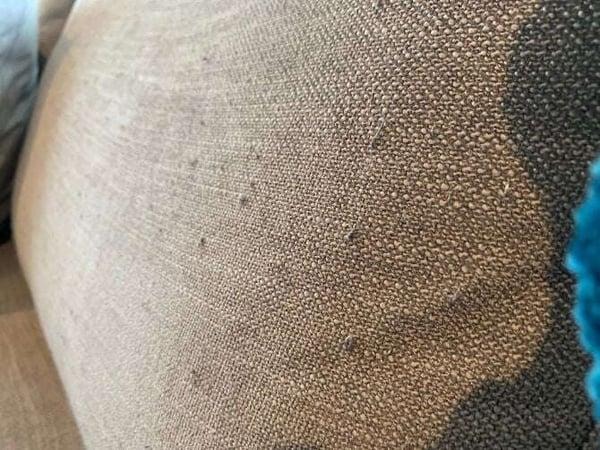
Those small balls that appear on the surface of fabric are called pills. They develop when fibres loosen through friction and become tangled together on the fabric surface.
You may notice them where people sit regularly, on the front edge of seat cushions or on the arms where people rest their hands. Fabric pilling does not automatically mean that the fabric is poor quality. Different fibres and fabric constructions behave differently, and even fabrics that are suitable for everyday use can develop some pilling.
However, the amount of pilling and how quickly it appears are worth considering when choosing your sofa fabric.
How can you reduce the chances of pilling?
- Ask whether the upholstery is suitable for the amount of use your sofa will receive.
- If the manufacturer can provide relevant fabric specifications or test information, these can help you compare options more meaningfully than appearance alone.
- Do not assume that a fabric that feels smoother will necessarily pill less, nor that a rougher fabric is automatically more durable.
If you notice pilling on an existing sofa, a fabric shaver designed for upholstery may help remove the pills, provided it is suitable for that material. Always test it in an inconspicuous area first.
3. Why does sofa upholstery become loose or sag?
Not every loose looking sofa has a fabric problem.
Sometimes the upholstery itself has stretched or shifted. In other cases, the cushion underneath has compressed, the filling has moved or the original shape of the cushion has changed.
These problems can look similar from the outside, but they require different solutions.
For example, if a seat cushion has lost its shape, tightening the upholstery will not necessarily restore its comfort. If the cushion is still in good condition but the fabric has become loose, the covering may need to be adjusted.
When you order a custom made sofa, proper construction matters immensely. Upholstery needs to be fitted appropriately for the shape and intended use of the furniture. A poorly fitted cover can develop wrinkles or move more than expected, while a properly fitted cover can still show some natural relaxation with use.
Good to know: Before paying for reupholstery, ask someone experienced to assess the cushion and the covering separately. It can save you from paying to fix the wrong component.
4. Why does sofa fabric fade or lose its original colour?
A sofa placed beside a large window may experience more direct sunlight than one positioned away from windows. Over time, light exposure can cause some upholstery colours to fade or change.
Cleaning can also affect colour, especially when unsuitable products are used or the material is cleaned more aggressively than its care instructions allow.
This is why the right fabric depends partly on where the sofa will be placed.
A light coloured sofa in a bright room may suit your interiors beautifully, but you should consider sunlight exposure and the care the fabric requires. Similarly, a dark fabric is not automatically more practical. It may make light coloured lint, dust or pet hair more noticeable.
When choosing upholstery, think about the conditions in which it will be used, not just how it looks under showroom lighting.
5. Why do some fabrics wear through faster than others?
A sofa’s upholstery experiences friction every time someone sits down, shifts position or gets up. The front edge of a seat and the arms may experience particularly frequent contact, accelerating general sofa wear and tear.
How well a fabric handles that friction depends on several factors, including its fibre composition, yarn construction, weave or knit, finishing and intended application.
A fabric that works well for occasional seating may not be the most suitable choice for a sofa used by a family throughout the day.
This is where upholstery specifications can be helpful. For example, abrasion testing can provide information about how a fabric performs under a defined rubbing test. However, a test result is not a guarantee of how long the fabric will last in your particular home.
Real world performance also depends on the way the sofa is used, how it is maintained and the conditions in which it sits.
Expert tip: Ask for fabric options intended for your level of use. If the sofa will be used every day by several people, say so clearly. The right recommendation for a rarely used formal living room may be different.
Fabric, artificial leather or genuine leather: which should you choose?
There is no single sofa upholstery material that suits every household. Each has its own appearance, maintenance requirements, comfort characteristics and ageing behaviour.
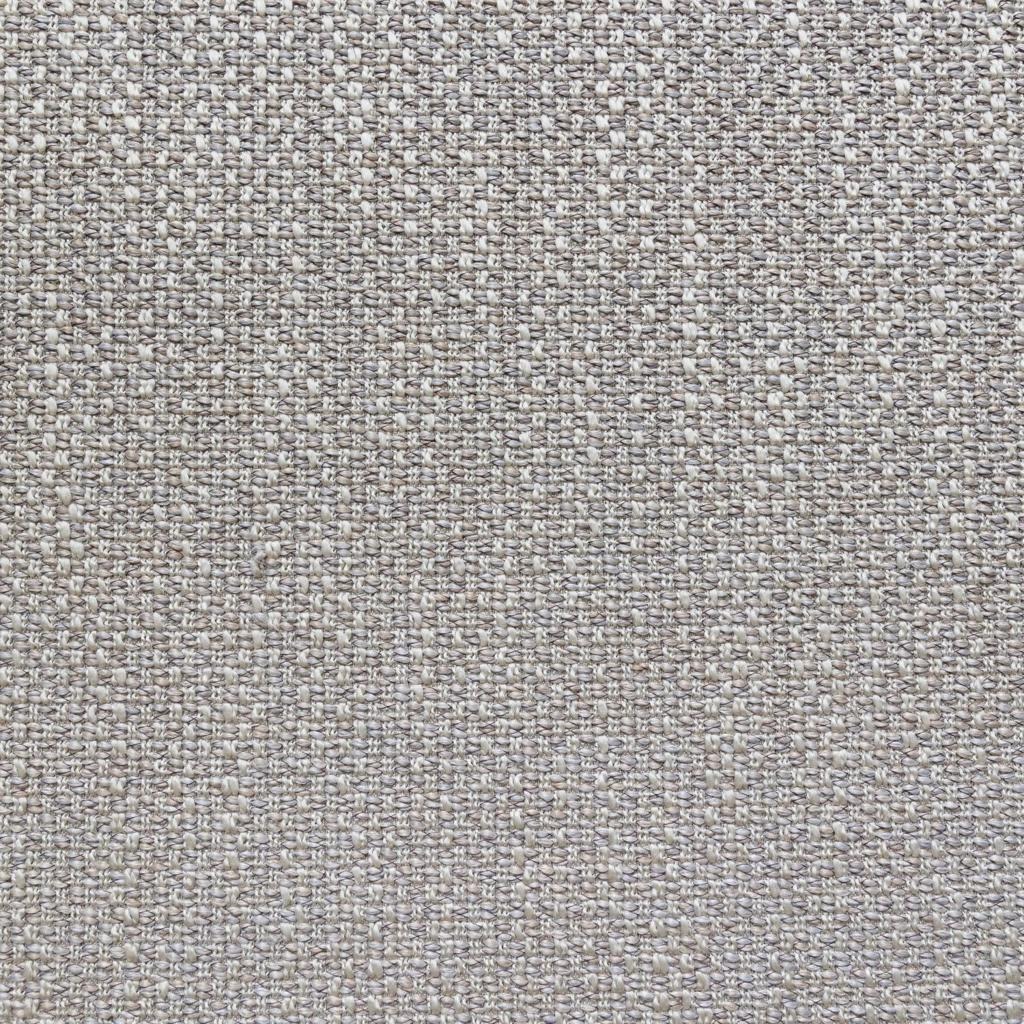
Fabric upholstery
Suitable for a wide range of styles and comfort preferences
Fabric offers a broad choice of colours, textures and patterns. Depending on its construction, it may develop pilling, fading, stains or wear from friction. Its performance varies considerably between fabrics, so the material specification matters more than the word fabric alone.
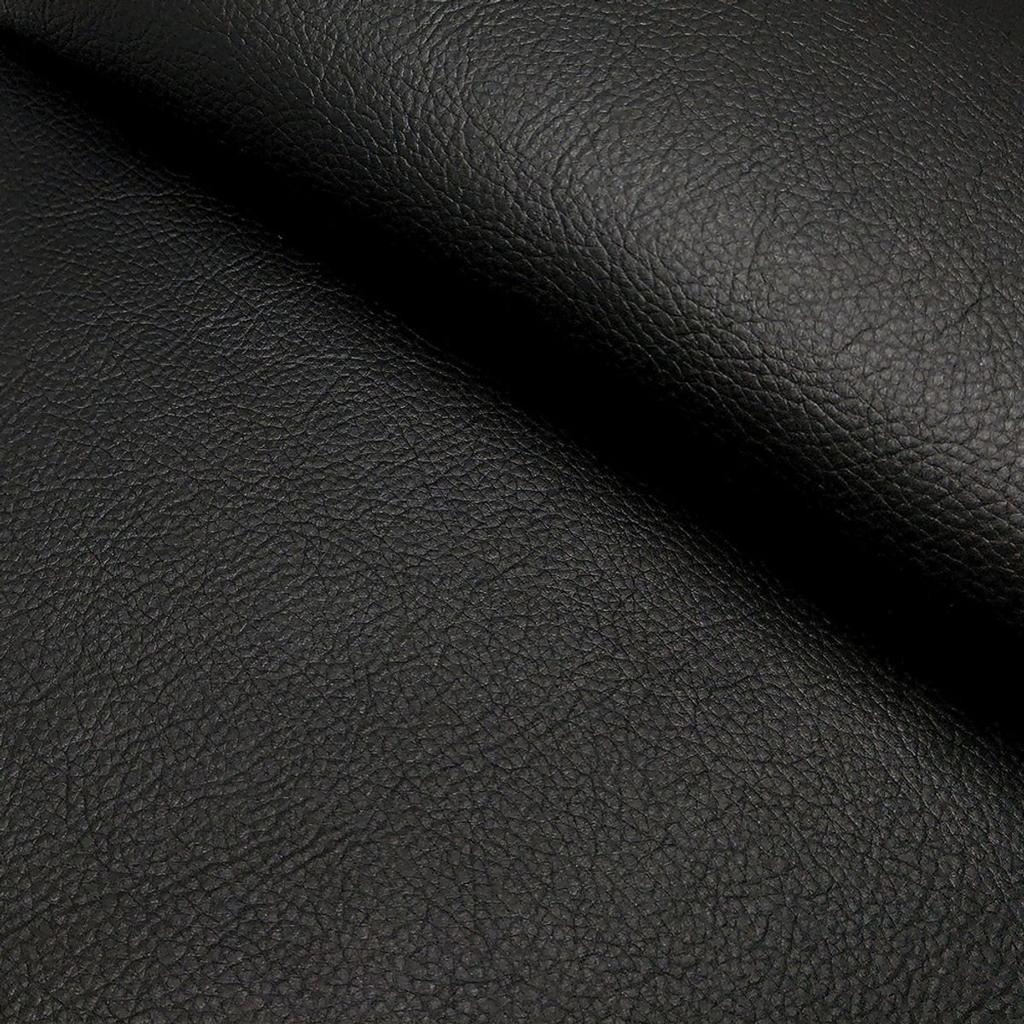
Artificial leather
A leather like appearance with material dependent performance
Artificial leather can offer a relatively uniform appearance and is available in many finishes. Some versions are easier to wipe clean, but certain coatings can crack or peel as they age. Ask about the exact material and its care requirements rather than relying on the term leatherette.
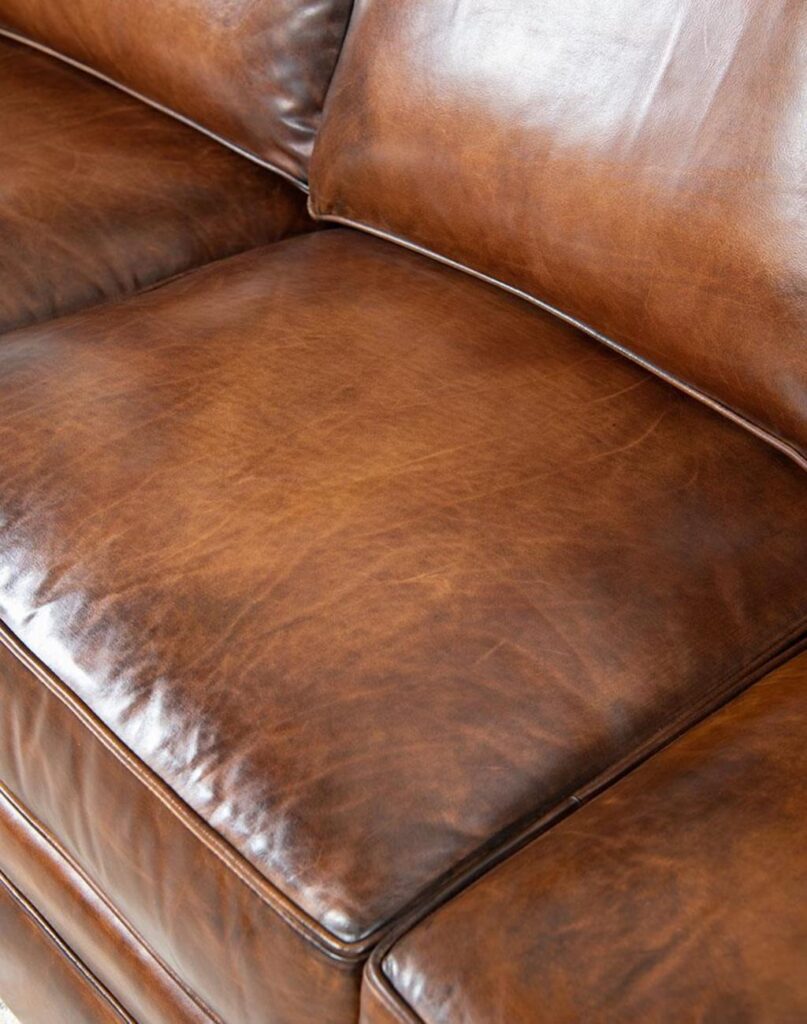
Genuine leather
A natural material that develops character with use
Genuine leather can develop changes in colour, surface character and softness over time. Its behaviour depends on the leather type, surface treatment, quality and maintenance. It can be expensive, and it is not immune to scratches, fading or damage. If you are weighing the pros and cons between these options, you can read our detailed comparison on leather sofa vs fabric sofa which is better for home?.
The useful question when designing a custom made sofa is not which material is universally best. It is which material offers the combination of appearance, comfort, maintenance and expected performance that suits your home.
| Your priority | What to consider |
| A wide range of colours and textures | Compare different upholstery fabrics |
| Easier everyday wiping | Look at suitable artificial leather or cleanable fabric options |
| Natural material and changing character over time | Consider genuine leather and its maintenance needs |
| Frequent family use | Prioritise materials with relevant durability information |
| Pets at home | Ask about snagging, scratch resistance, cleaning and hair visibility |
| A sofa beside a sunny window | Consider light exposure and colour stability |
| Lower initial cost | Compare expected maintenance and replacement needs, not just purchase price |
No material is completely resistant to damage. When working with trusted sofa manufacturers in bangalore, the aim is to understand these tradeoffs before committing to a piece you expect to use for years.
6. The fabric sample looks good. Is that enough?
A fabric sample is useful, but it cannot tell you everything about how a finished sofa will perform.
It helps you assess colour, texture and how the material feels. Depending on the information available, you may also be able to review its composition and performance specifications.
But the final experience depends on more than the sample. The upholstery needs to be suitable for the sofa’s shape, fitted correctly and used in conditions that match its intended purpose.
This is also where custom furniture offers a useful opportunity to make an informed choice. When designing a custom made sofa, looking beyond the surface swatch is crucial.
At Suhaus, customers can explore upholstery options while discussing how the sofa will be used. A family that uses its sofa every evening may have different requirements from someone furnishing a rarely used guest room. The objective is to match the material to the actual use, rather than selecting fabric on colour alone.
There is another distinction worth making. Seeing a fabric sample helps you assess the covering. Seeing your own sofa during manufacturing helps you understand the construction beneath it. If you want to know what lies underneath before making a commitment, check out our guide on how to know what is inside a sofa before you buy it.
With custom sofa bangalore clients order, customers can visit the factory and see their own wooden frame and its construction before the upholstery covers it. This does not guarantee that the fabric will never wear, but it gives customers a clearer view of what is going into their furniture. If you prefer tailored designs over mass-produced options, you can also read more about why many homeowners explore custom wooden sofa design vs ready-made.
7. What about warranty and guarantee claims?
A seller may offer a warranty on the sofa or its upholstery. That can be useful, but the existence of a warranty does not establish that the material will perform well or that resolving a future problem will be straightforward.
Before buying, find out what the warranty actually covers. Does it cover peeling, stitching failure, abnormal wear or only specific manufacturing defects? Are there exclusions for sunlight, cleaning, pets or normal wear? Is the remedy a repair, replacement of the affected material or something else?
Most importantly, understand how a claim is handled in practice.
A document may describe what a seller promises to do, but the value of that promise depends on whether the seller can be contacted, assesses the issue fairly and follows through on the agreed remedy.
| Question to ask | Why it matters |
| What upholstery material is being supplied? | Broad descriptions may hide important differences |
| What types of wear are covered? | Not every problem is necessarily covered by the warranty |
| What is excluded? | Conditions and normal wear may be treated differently |
| Who handles a complaint? | You need a clear point of contact |
| Can the upholstery be repaired or replaced? | Repairability may affect the cost of ownership |
| What happens if the original material is unavailable? | A replacement may not match the original exactly |
Keep the written terms and purchase details. If a problem develops, photographs taken over time can also help document what has happened.
At Suhaus, we believe customers should understand the materials they are choosing and have a clear way to contact the business if they need assistance. For a complete checklist of queries to ask before closing a deal, review our guide on furniture buying questions. More broadly, when making a significant furniture purchase from reliable sofa manufacturers in bangalore, assess the seller’s accessibility and accountability alongside the written warranty.
Things people often overlook
1. A high price does not guarantee better upholstery
Expensive upholstery may offer particular qualities, but price alone does not tell you how well a material will perform in your home. Ask what the material is, what information supports its intended use and how it should be maintained.
2. A familiar material name does not tell the whole story
Two fabrics can both be described as polyester, just as two materials can both be called artificial leather, while differing in construction and performance. Ask for more specific information where it is available.
3. The right fabric depends on your household
Children, pets, direct sunlight, frequent lounging and occasional use all create different demands. Be honest about how the sofa will be used. Choosing upholstery for an idealised version of your home can lead to disappointment later.
4. Repairability deserves attention before you buy
Some upholstery problems can be addressed without replacing the entire sofa. Others may be difficult or uneconomical to repair. Ask whether the cushions can be accessed, whether the covering can be replaced and whether the manufacturer offers repair support.
How to make your upholstery last longer
You cannot prevent every sign of ageing, but a few sensible habits can help.
- Follow the care instructions supplied for the exact material.
- Remove spills promptly using an appropriate cleaning method.
- Avoid harsh cleaning products unless the manufacturer confirms they are suitable. For step-by-step methods on keeping your upholstery safe, refer to our practical how to clean sofa at home guide.
- Reduce prolonged direct sunlight where practical.
- Rotate interchangeable cushions periodically to distribute wear more evenly.
- Avoid dragging sharp or abrasive objects across the upholstery.
- Address loose stitching, damaged seams or other developing problems before they become more extensive.
Be careful with generic online cleaning advice. A product that works on one fabric may damage another, and advice intended for genuine leather should not automatically be applied to artificial leather.
The takeaway
Sofa upholstery can peel, pill, fade, stretch or wear through for different reasons. Treating all these problems as the same issue makes it harder to choose the right material or fix an existing sofa.
Before buying, look beyond colour and texture. Ask what the upholstery is made from, how it is expected to perform, what care it requires and whether it can be repaired or replaced later. Consider your actual household and usage rather than choosing a material based only on how it looks in a showroom.
And remember that the fabric is only one part of the sofa. Its performance matters, but so do the cushions, frame, construction and the support available after purchase.
Whether you are exploring designs with expert sofa makers in bangalore or finalizing a customized sofa set, the aim is not to find upholstery that will never show signs of use. It is to choose upholstery whose appearance, performance and maintenance requirements make sense for the way you live.
Questions We Get Asked Often
1. Why is my sofa fabric peeling after two years?
Peeling can occur when the surface coating of certain upholstery materials deteriorates. The cause may relate to the material’s construction, quality, exposure, cleaning or usage. Identify the exact upholstery material before deciding what repair or replacement is appropriate.
2. Is pilling a sign of poor quality fabric?
Not necessarily. Pilling occurs when fibres loosen and tangle on the fabric surface. Some fabrics are more prone to it than others. The amount of pilling and how quickly it appears should be considered alongside the fabric’s intended use and specifications.
3. Which sofa upholstery lasts the longest?
There is no universal answer. Performance depends on the specific material, its construction, how it is fitted, the environment and how the sofa is used and maintained. Compare relevant performance information rather than relying on broad material names.
4. Is artificial leather better than fabric for everyday use?
It depends on the specific products being compared. Some artificial leather materials are convenient to wipe clean, while certain coatings may peel with age. Fabric offers a wide range of constructions and care requirements. Choose based on your household, maintenance preferences and the material’s intended use.
5. Can peeling or worn sofa upholstery be repaired?
Sometimes. Depending on the sofa, it may be possible to replace the covering, repair a seam or address a localised problem. If the material is peeling extensively, replacing the affected upholstery may be more practical than attempting to repair the surface itself. The underlying cushions and frame should also be assessed.
6. Does a sofa warranty cover fabric peeling?
Not always. Coverage depends on the written warranty, the material and the cause of the problem. Check the exclusions and the procedure for making a claim before buying, rather than assuming all visible deterioration is covered.
7. How do I choose sofa fabric if I have pets?
Consider snagging, scratching, cleaning requirements, hair visibility and how the material behaves under regular friction. No upholstery is completely pet proof. Ask for options suited to your particular pet and household rather than relying on a general pet friendly label.